AI-powered Screening
The project aimed at reducing screening time and manual effort for recruiters, laying the groundwork for facilitating user experience for applicants seeking and applying for internal opportunities. Collaborating with Doosan, I spearheaded the entire design process to address employee retention issues, working alongside three software engineers and another designer.
Role
Design Lead
User Research
Prototype
UI Design
Team
Project Manager
Solution Expert
3 Engineers
2 UX designers
Platform & Tools
Responsive web
SAP Fiori design system
Figma
Duration
3 months
Challenge
92%
of employees wanting career changes left the company
37%
of employees left within 3 years of an internal transfer
Doosan Group faced high turnover, incurring additional recruitment costs and dissatisfaction among internally transferred employees.
Benefits
92%
Before
39%
After
Reduced turnover by 39%
Recruitment cost down
Before
After
What are the right
problems?
From the user interviews, we identified and focused on three primary problems in the existing process.
Lack of system
Applicants did not have a way to discover and apply for internal positions so it was difficult to find internal opportunities and additional job details.
Manual screening
Recruiters managed and screened the candidates manually through spreadsheets and manual report creation which extended the application processing time.
Lack of privacy
The lack of privacy in the existing internal job application process caused unwanted tension in the workplace because recruiters needed a referral from the candidate’s managers.
How might we build a healthy, sustainable internal hiring culture through technology?
How I Reached These Insights
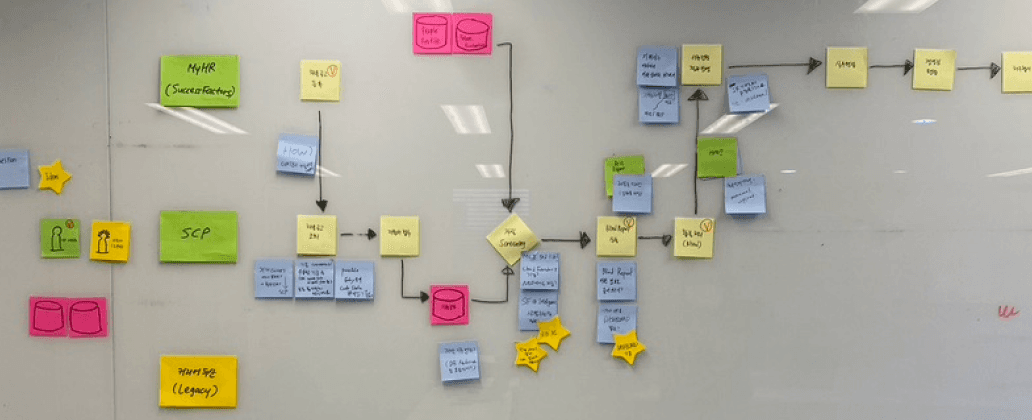
Exploration workshop
Scoping the project
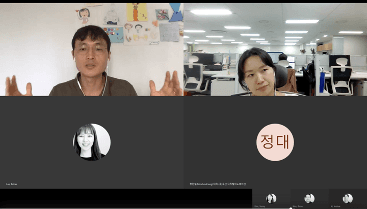
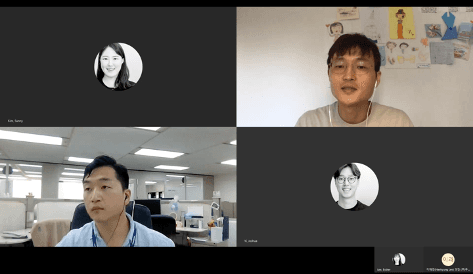
User interviews
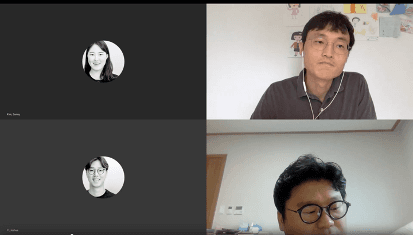
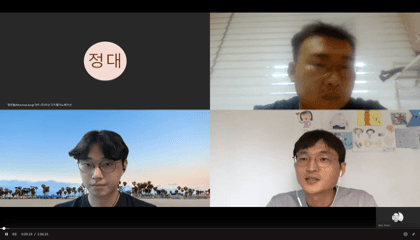
Discover workshop
Synthesize data
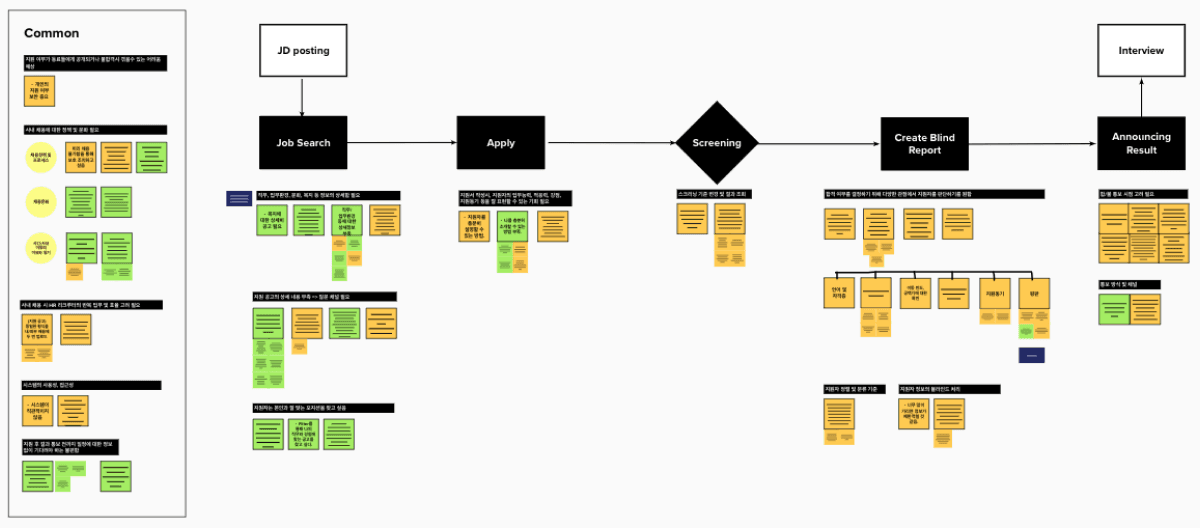
Define right problems
Research Goals
Understand what was the unofficial internal transfer process
Uncover pain points with the way employees develop their career
Uncover pain points with the way recruiters find candidates
Targeted Groups
Employees
Recruiters
Research Artifacts
Interview questionnaires
The synthesis of Interviewees’ experiences throughout the process
The discovered current official internal transfer process
Research Limitations
All interviews and the Explore Workshop were done remotely.
We didn’t include hiring managers.
We didn’t include employees who failed an internal transfer.
How I did address those problems
From the user interviews, we identified and focused on three primary problems in the existing process.
Enhancing job visibility
Create an HR solution based on the process and user needs
Supporting recruitment efforts
Design an HR solution that can help recruiters spend less time on paperwork, phone calls, and processing applicants
Ensuring data protection
Create a system that prevents exposure of job application information
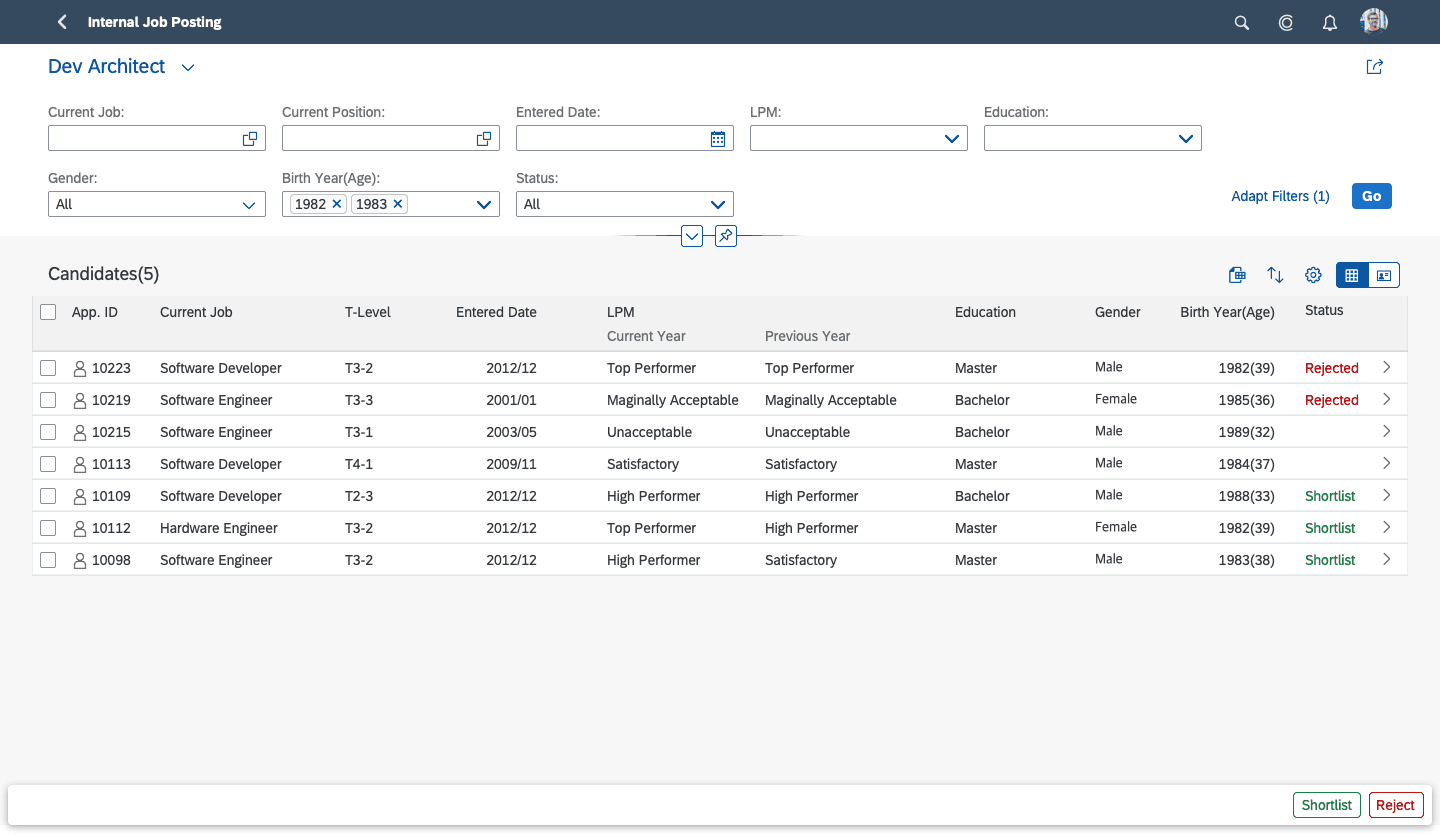
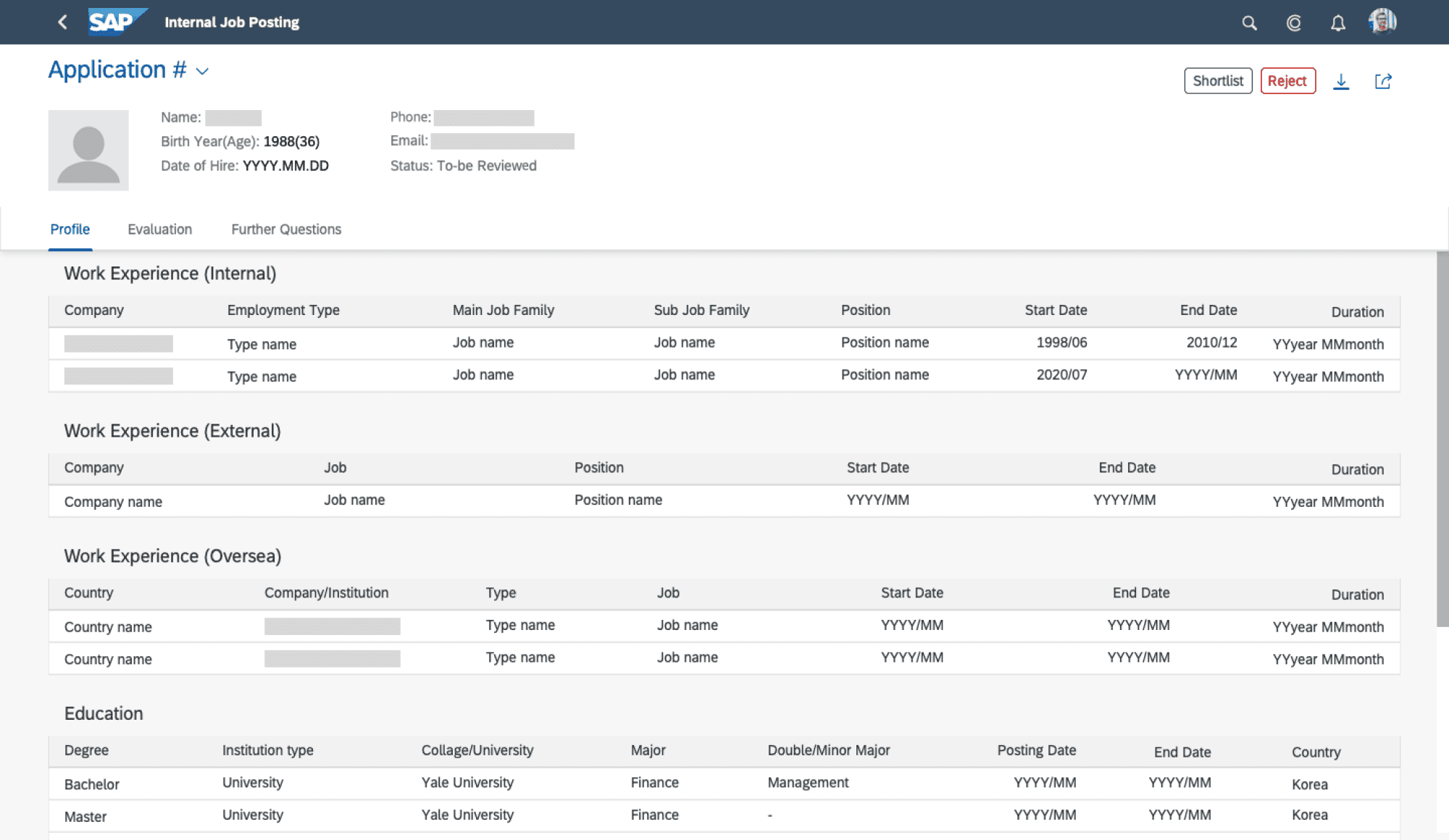
Design Challenge
Recruiters had the challenging task of manually reviewing hundreds of resumes in first screening process.
Thereby reducing the workload for recruiters and allowing them to focus on more strategic tasks.
To relieve recruiters from the burden of screening tasks
To provide recruiters with more insights into applications
Prototyping and Iterations
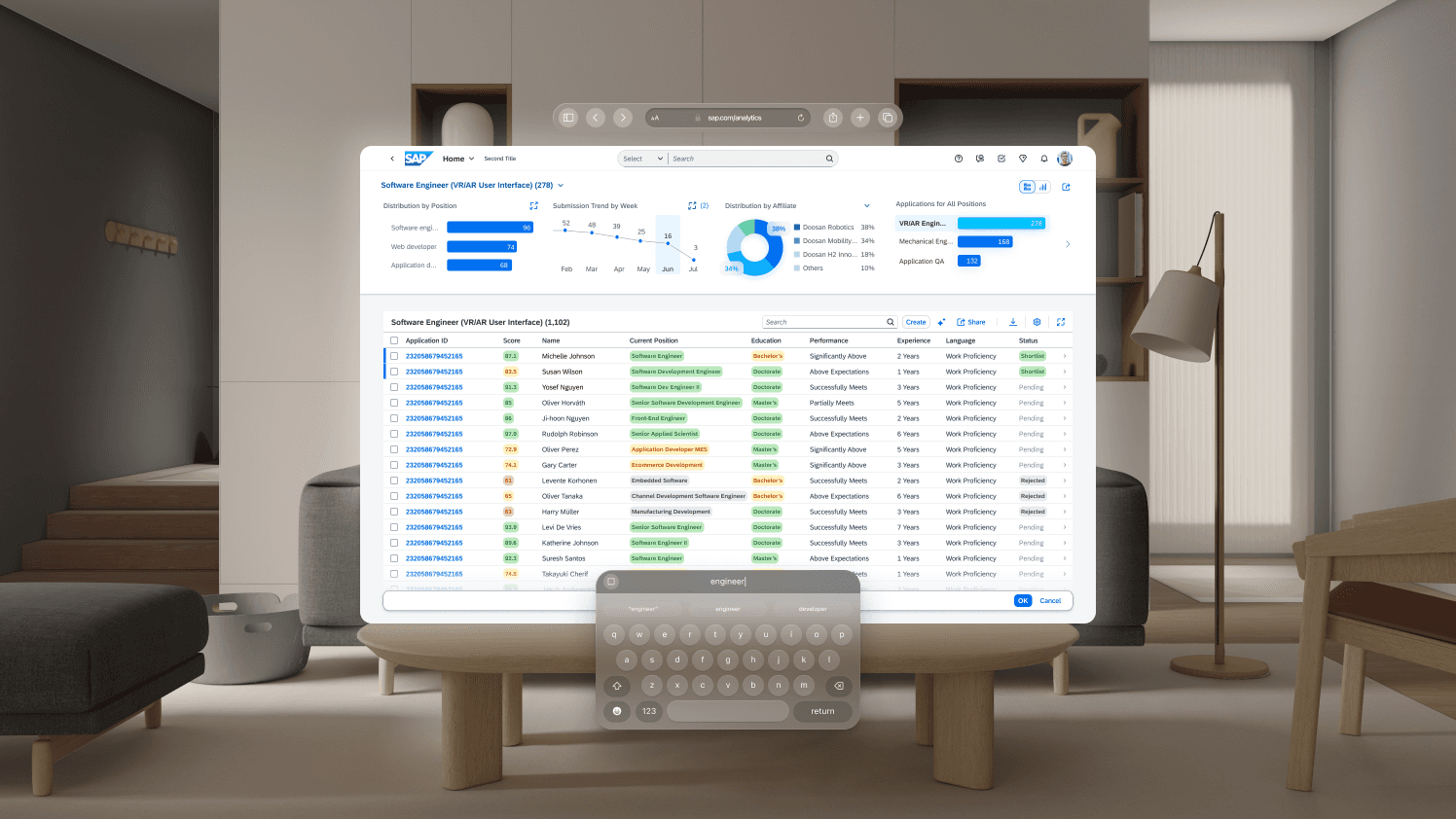
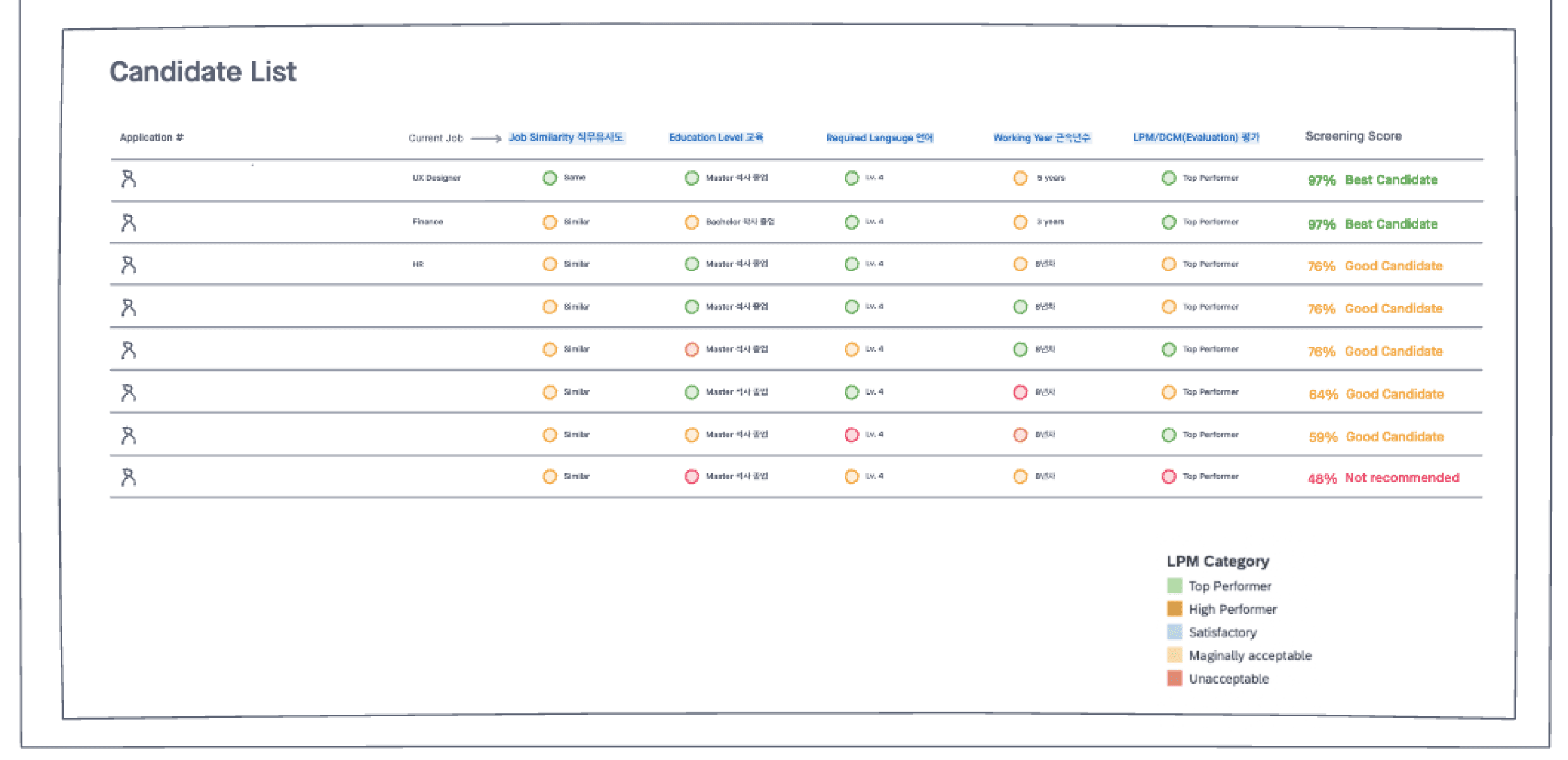
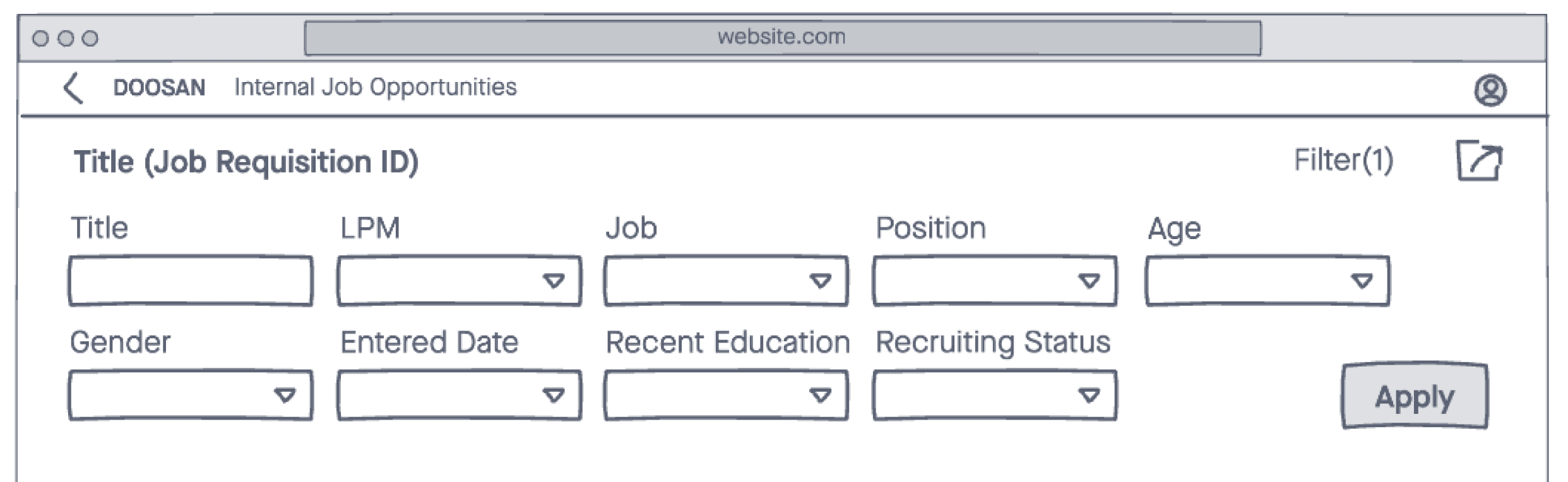
We leveraged the machine learning capability to the system to provide recruiters initial insightful screening results, which reduce the tedious tasks and make it shorter by 3 times.
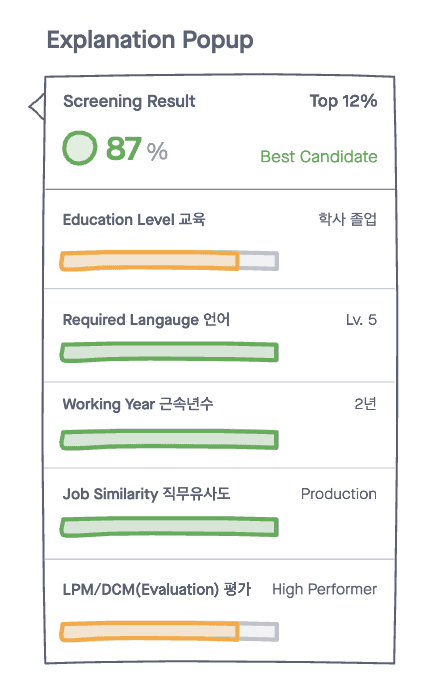
AI Screening
Gaining Insights into Potential
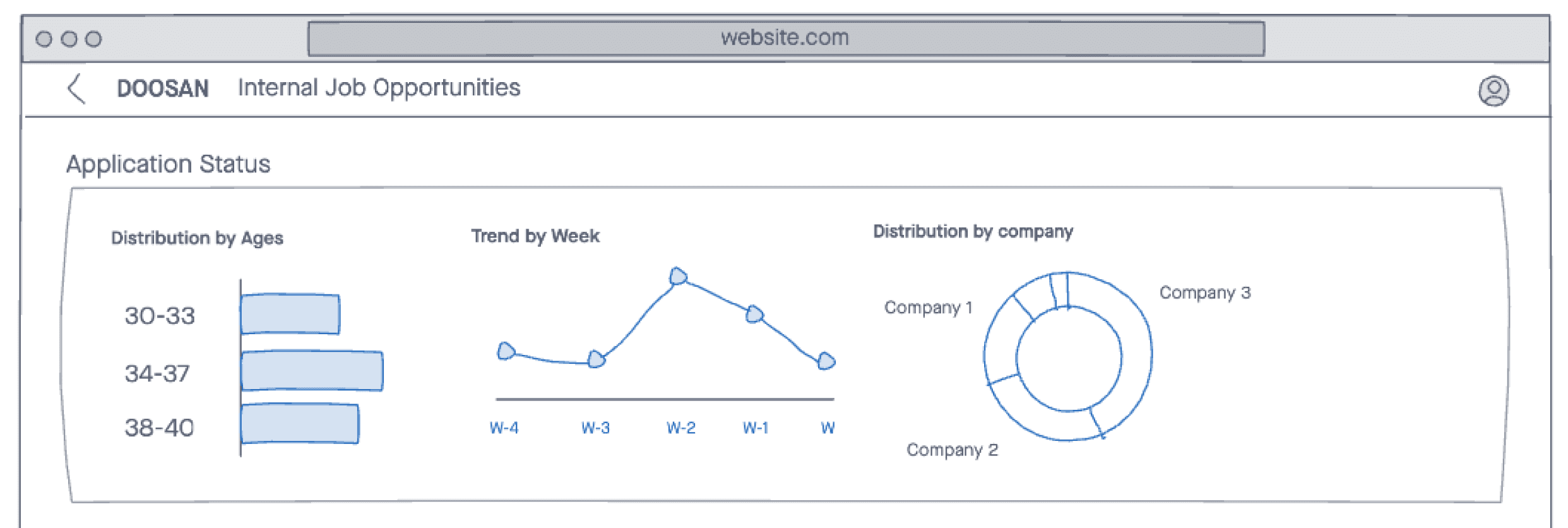
Recruiters can now leverage intelligent screening feature to swiftly access valuable insights about potential candidates.
Screen
Select
Report
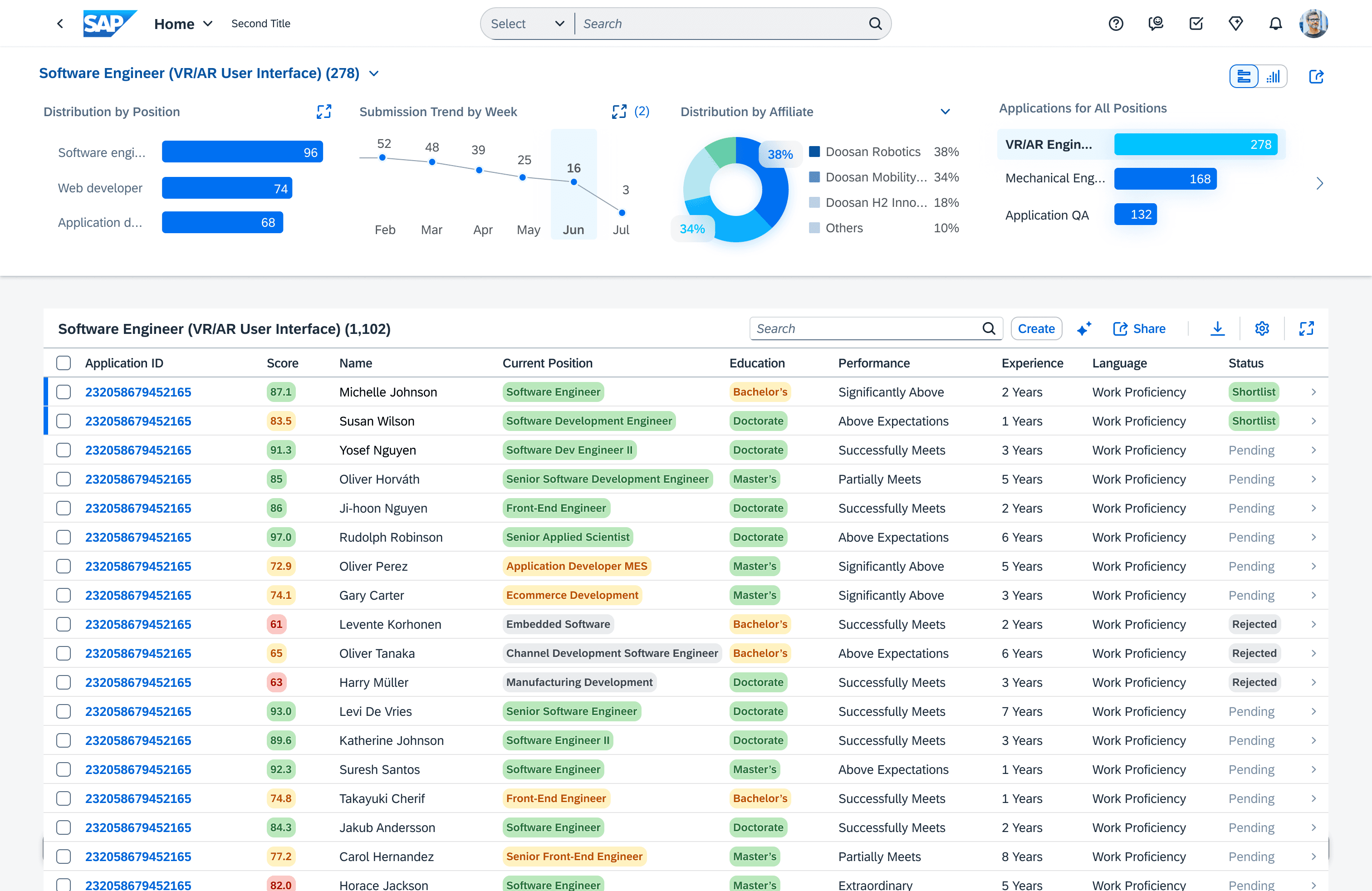
Score indicator of each evaluation
Ranking score calculated by Machine Learning algorithm.
How I Reached The Final Design
Co-creation session
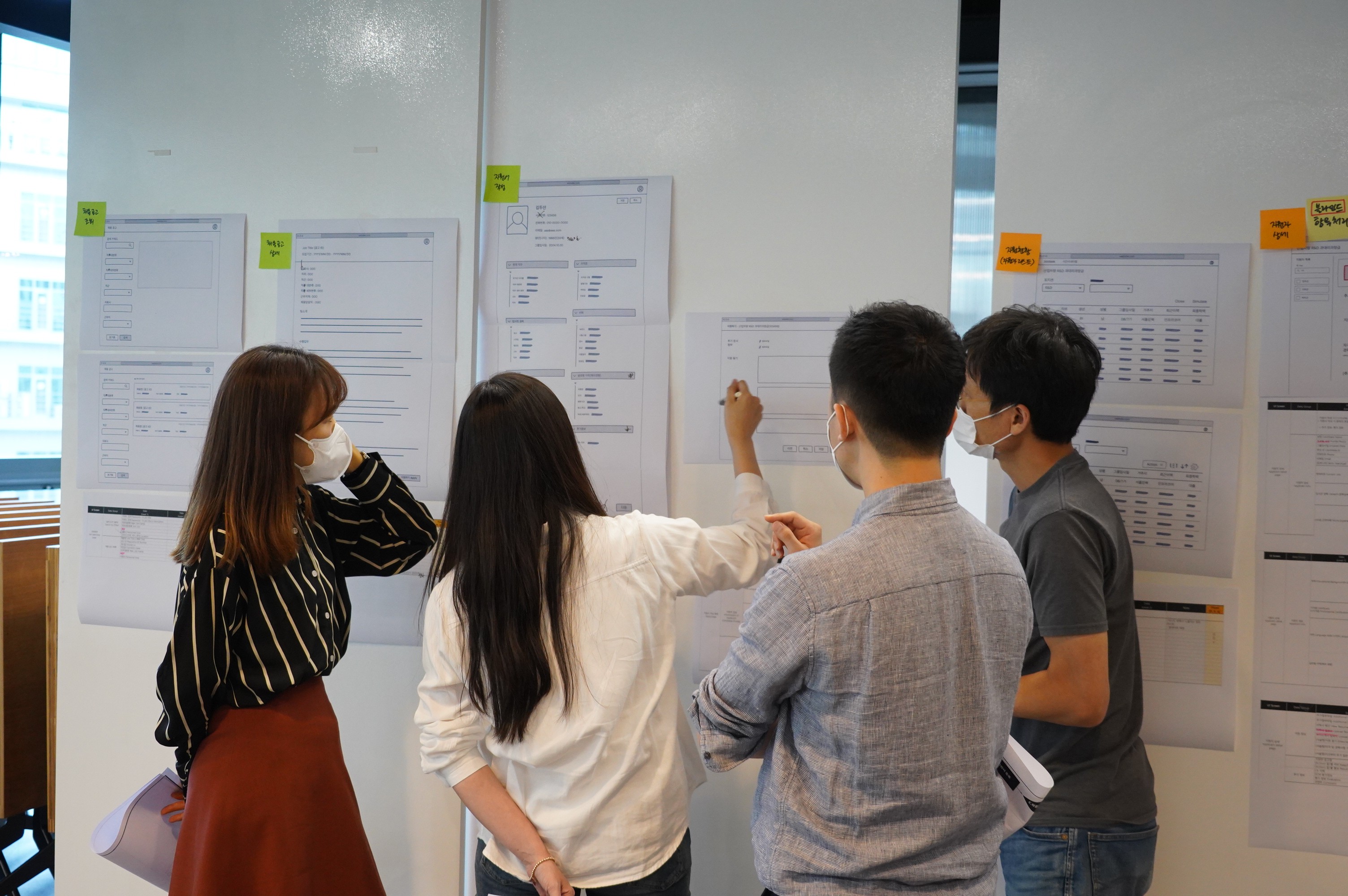
Rapid prototypes
User validations
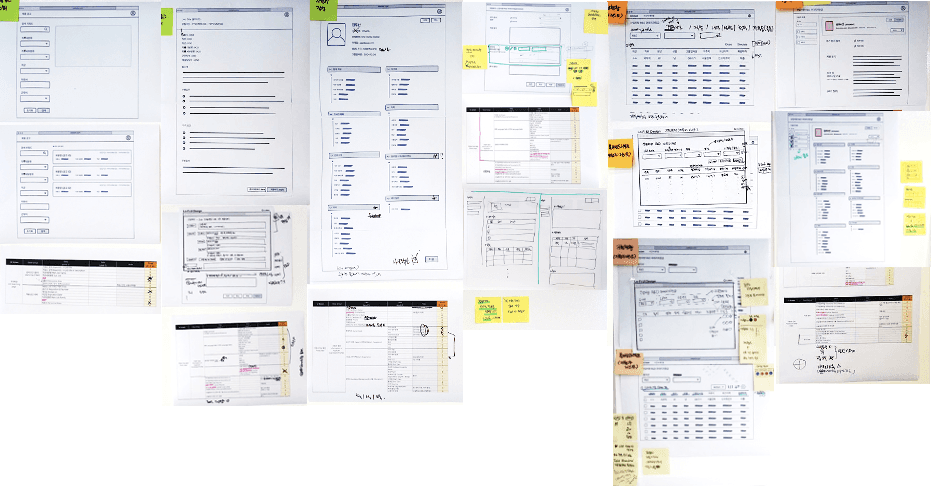
Design iteration
Design mocks
Development
The results
after deployment
Employee retention increased by 32%
The productivity of recruiters increased by 2.8 times
The hiring process sped up by 1.4 times
Improvements for next
Design the third explanation level visually to offer deeper insights into applications.
Level 1
WHAT
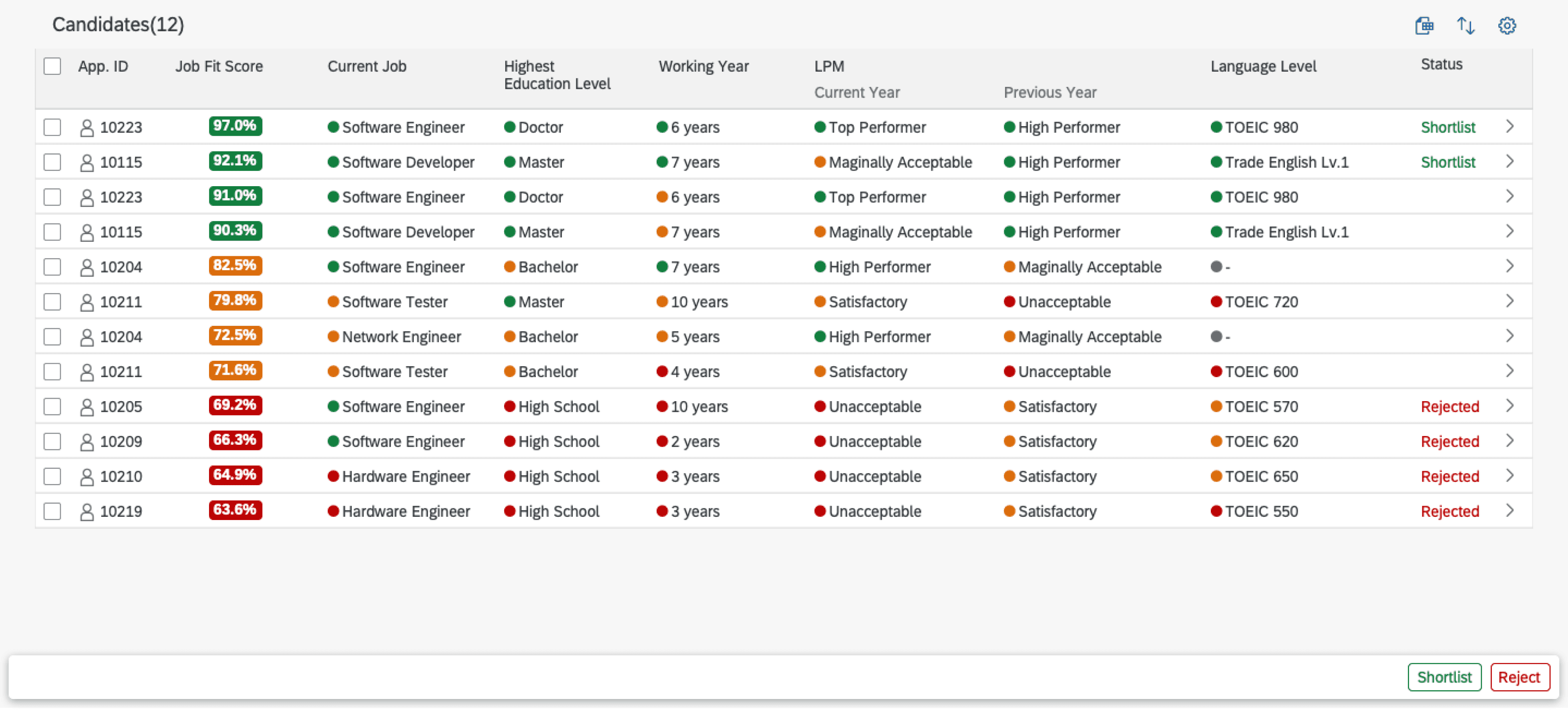
Minimum
Level 2
WHY
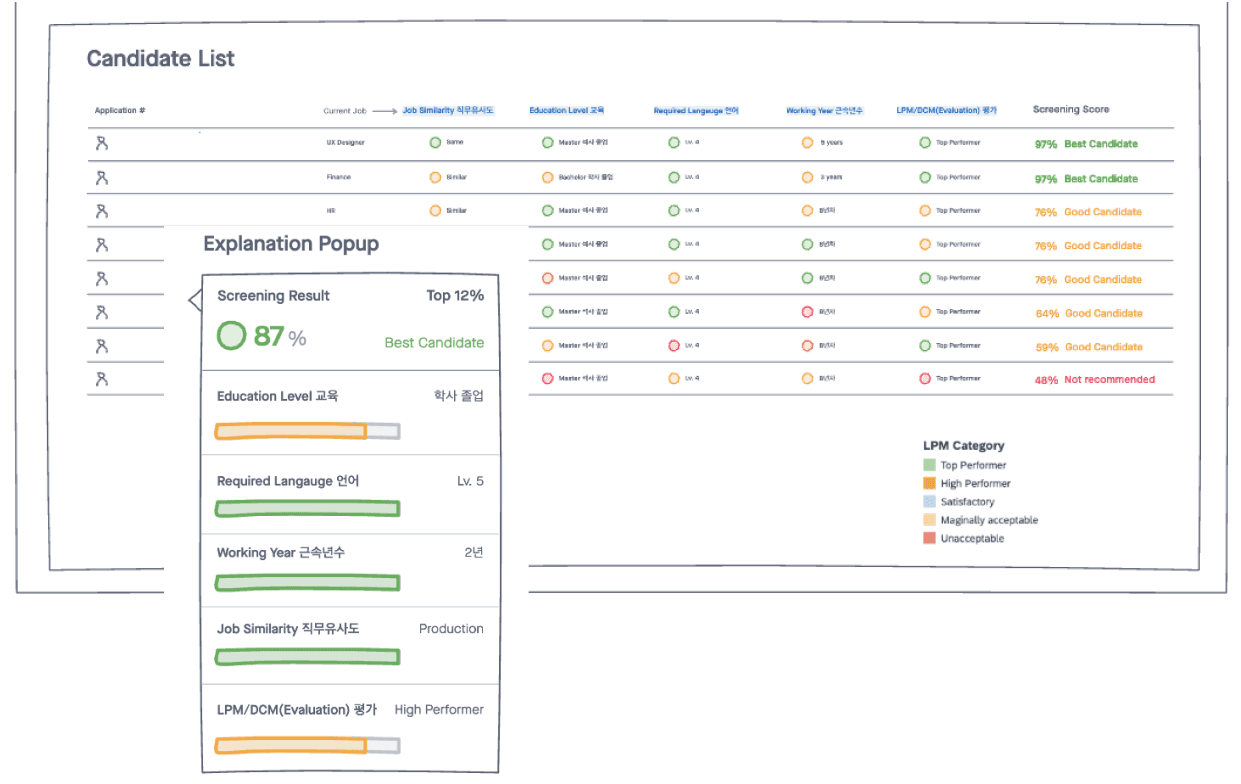
Simple
Level 3
HOW
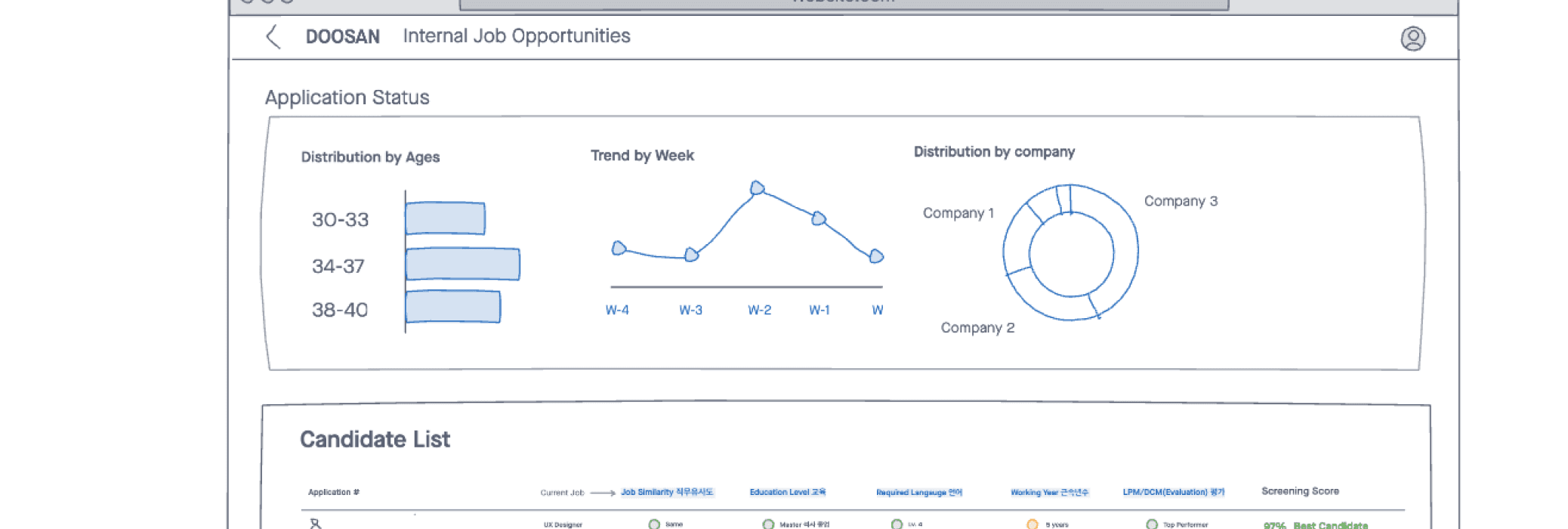
Expert
Develop Auto-generated job posting use cases based on the needs of business status.
Job Postings
Demands
Task Volume
Budget
Talent Pool
Lessons learned
Many aspects to be considered when designing AI system such as a volume of data, integration, AI ethic and so on.
If utilizing AI capability, users can spend their time for more creative tasks by reducing redundant works.
AI provides new Interactions which make users feel emotionally in different ways.
Appreciation
“It was a great opportunity to experience the whole process of Human Centered Design approach, development, and collaboration. It was a delightful experience due to the strong backup of UX designers that made such development possible.”
Project manager from the client